Table of Contents
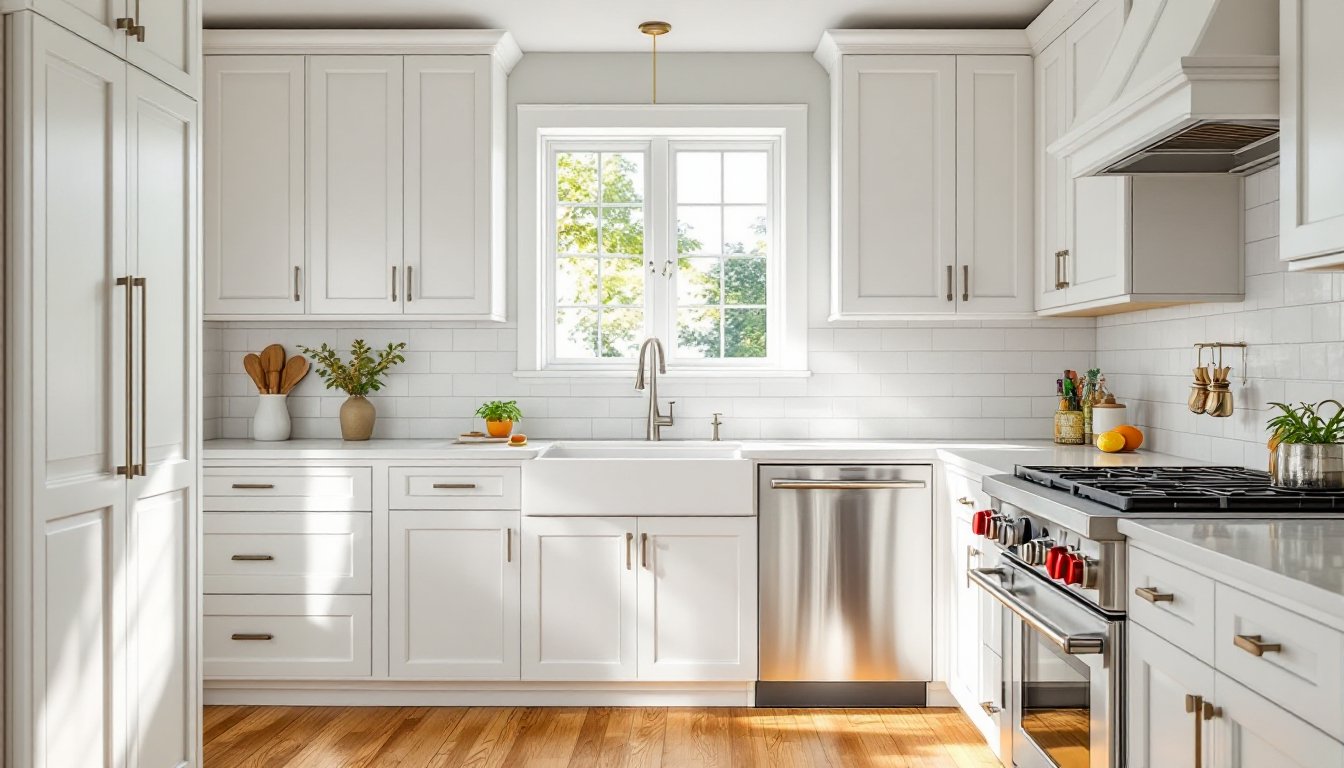
ToggleWhite shaker style kitchen cabinets sit at the sweet spot where traditional craftsmanship meets modern minimalism. These cabinets have dominated kitchen remodels for decades, and they’re not going anywhere, mainly because they work in virtually any home, from a 1920s bungalow to a new-build townhouse. The design is simple: a five-piece door with a recessed center panel, clean lines, and zero ornamentation. When done in white, they become a versatile foundation that works with nearly any countertop, backsplash, or hardware you throw at them. Whether someone’s flipping a rental or building their forever kitchen, understanding what makes these cabinets tick, and how to choose, style, and maintain them, makes the difference between a generic update and a kitchen that feels both fresh and timeless.
Key Takeaways
- White shaker style kitchen cabinets combine timeless design with modern versatility, working seamlessly in any décor from farmhouse to contemporary without signaling a specific era or trend.
- Choose high-quality construction with plywood cabinet boxes, solid wood or MDF door materials, and multi-stage catalyzed finishes to ensure durability and prevent yellowing or moisture damage over time.
- White shaker cabinets serve as a neutral foundation that adapts to changing styles—swap hardware, countertops, or backsplashes later without replacing the cabinets themselves, making them a smart long-term investment.
- Pair white shaker cabinets with intentional styling choices like contrasting countertops, varied textures, and strategic hardware finishes to avoid a cold, flat appearance and add visual depth to your kitchen.
- White finishes require consistent maintenance: wipe grease and spills promptly with mild soap solutions, avoid abrasive cleaners and excess moisture, and touch up chips early to keep cabinets looking crisp and fresh.
What Makes Shaker Style Cabinets So Popular?
Shaker cabinets trace their roots to 18th-century religious communities who valued function, honesty, and simplicity in craft. That ethos translates directly into the cabinet design: a flat-panel door framed by four rails and stiles with square edges (or very slight bevels), assembled with mortise-and-tenon or dowel joinery. No raised panels, no carvings, no applied moldings.
That restraint is exactly why they’ve lasted. The profile is detailed enough to avoid looking cheap or flat, but simple enough not to date itself. Shaker doors pair just as easily with farmhouse apron sinks and butcher block as they do with waterfall quartz islands and matte black fixtures. When trends shift, the cabinets stay relevant.
Another practical advantage: the recessed center panel hides minor imperfections better than flat-slab doors. Wood movement, small dings, and everyday wear blend into the frame lines instead of standing out across a single unbroken surface. For DIYers painting or refinishing, the five-piece construction also means the center panel can expand or contract slightly with humidity without cracking paint joints, as long as proper prep and primer are used.
From a resale perspective, Shaker-style cabinets score high with buyers and appraisers because they don’t signal a specific decade or niche taste. That broad appeal makes them a safer investment than trendier slab or louvered styles.
Why White Is the Perfect Color Choice for Shaker Cabinets
White amplifies the Shaker door’s geometry. The recessed panel creates subtle shadow lines that add dimension without needing color contrast or busy grain patterns. In smaller kitchens, white reflects available light and visually expands the space, a trick that actually works, unlike most design clichés.
White also plays well with mixed materials. Pair it with walnut open shelving, brass pulls, or a bold backsplash tile, and the cabinets recede into a neutral backdrop. Swap the hardware or countertop later, and the same white cabinets support the new look without a fight. That adaptability matters when someone’s budget allows updating piece by piece instead of all at once.
From a technical standpoint, white paint or lacquer hides wood grain and knots better than stain, which makes it possible to use more affordable substrates like paint-grade maple or poplar (instead of pricier cherry or walnut) without sacrificing appearance. For cabinet refacing or repainting projects, a high-quality white acrylic-alkyd hybrid paint (often called “cabinet paint”) bonds well to previously finished surfaces and resists yellowing better than traditional oil-based enamels.
Design Flexibility and Style Options
White shaker cabinets function as a chameleon. For a modern farmhouse look, pair them with open shelving, unlacquered brass hardware, and a marble or butcher block countertop. Want something more contemporary? Add integrated pulls (or no pulls, push-to-open mechanisms), pair with concrete or engineered quartz counters, and use a simple subway tile or solid-color backsplash.
Going traditional? Keep crown molding at the ceiling line, add furniture-style toe kicks, and choose oil-rubbed bronze or antique brass knobs. For a transitional kitchen that splits the difference, use satin nickel bar pulls, pair white uppers with a navy or charcoal island, and opt for a neutral stone countertop.
The five-piece door construction also supports practical variations. Some manufacturers offer beaded inset versions (where the door sits flush inside the frame) for a more high-end, furniture-like appearance, though this increases cost and requires tighter tolerances during installation. Standard overlay doors (where the door overlaps the cabinet frame) are more forgiving and easier to DIY or adjust in the field.
Materials and Construction: Choosing the Right Cabinet Quality
Not all white shaker cabinets are created equal. Quality breaks down into three main components: door material, cabinet box construction, and finish.
Door materials range widely:
- Solid wood (maple, cherry, or poplar) offers the best longevity and can be refinished multiple times. Expect to pay more.
- MDF (medium-density fiberboard) with a wood frame is common for painted cabinets. MDF takes paint beautifully and won’t show grain or knots, but it’s heavier and less forgiving if it gets wet.
- Thermofoil or RTF (rigid thermofoil) is a vinyl layer heat-sealed onto MDF. It’s budget-friendly and easy to clean, but edges can peel over time, especially near the dishwasher or cooktop.
Cabinet box construction matters more than most homeowners realize:
- Plywood boxes with full-depth sides and dado or rabbet joints (where the shelf sits in a groove) are stronger and better handle the weight of dishes, cast iron, and appliances.
- Particle board boxes with cam-lock or dowel assembly are lighter and cheaper, but they sag under load and don’t hold screws well if someone needs to reattach a hinge later.
Look for plywood construction with at least ½-inch sides and a ¾-inch back panel (not a thin ⅛-inch stapled backing). Drawer boxes should be dovetailed solid wood or plywood with undermount soft-close slides rated for at least 75 lbs.
Finish quality determines how the cabinets age. A catalyzed conversion varnish or multi-stage paint process (primer, paint, topcoat) resists chips, moisture, and yellowing far better than single-stage spray paint. Factory finishes almost always outperform field-applied paint because they cure in controlled environments.
If ordering semi-custom or custom cabinets, ask about the KCMA (Kitchen Cabinet Manufacturers Association) certification. It’s not perfect, but it means the cabinets passed tests for finish durability, structural integrity, and drawer cycle life.
How to Style White Shaker Cabinets in Your Kitchen
White cabinets offer a clean slate, but styling them well requires intentional choices in countertops, backsplashes, and color accents.
Countertops:
- Quartz in white, gray, or neutral tones keeps the palette light and cohesive, while busy patterns like marble-look veining add visual interest.
- Butcher block or reclaimed wood introduces warmth and texture, ideal for an island or a small section of prep space.
- Concrete, soapstone, or dark granite creates high contrast, grounding the white cabinets with weight and depth.
Backsplashes:
White shaker cabinets handle almost any backsplash, but proportion matters. Subway tile (3 × 6 inches) is safe and classic: for something bolder, try zellige or handmade tile in a soft color, large-format slab that runs to the ceiling, or patterned cement tile as an accent behind the range.
Avoid white-on-white-on-white unless the space has strong natural light and varied textures (like a wood ceiling or textured plaster walls). Otherwise it reads flat and sterile, not crisp.
Flooring:
Wide-plank hardwood in natural or medium tones warms the space. Luxury vinyl plank (LVP) in wood-look finishes works well for budget-conscious remodels and stands up to spills better than real wood. Tile (ceramic, porcelain, or natural stone) is durable and pairs well in modern or transitional kitchens, though it’s harder on dropped dishes and standing comfort.
Many kitchen design ideas focus on layering textures and finishes to prevent a monochrome white kitchen from feeling cold or generic.
Hardware and Fixtures That Complement the Look
Hardware is where personality shows up. White shaker cabinets work with nearly any finish, so choose based on the overall style direction:
- Polished nickel or chrome reads clean and modern.
- Brushed or satin nickel offers a softer, less reflective surface that hides fingerprints.
- Matte black creates crisp contrast and pairs well with black window frames, faucets, or lighting.
- Brass or bronze (aged, unlacquered, or oil-rubbed) brings warmth and patina, especially in farmhouse or traditional kitchens.
Size and style matter too. For drawers, bar pulls that span roughly one-third the drawer width look proportional. For doors, choose between knobs (classic, less visual weight) or pulls (easier to grip, more contemporary). Mixing knobs on uppers and pulls on lowers is a standard move that works.
Installing hardware is DIY-friendly. Use a hardware jig or template to mark hole locations consistently across all doors and drawers, eyeballing it leads to crooked pulls and frustration. Standard spacing for bar pulls is 3-inch or 3.75-inch center-to-center, though longer pulls (5-inch, 6-inch) are trending for drawers and wide doors.
For faucets and lighting, echo the hardware finish for a cohesive look. If mixing metals (like brass faucets with black pulls), repeat each finish at least twice in the space to make it feel intentional, not random.
Maintenance and Care Tips for Long-Lasting Beauty
White cabinets show dirt, grease, and wear faster than darker finishes. Regular cleaning and smart habits keep them looking sharp without constant deep-cleaning.
Daily and weekly care:
- Wipe cabinet fronts with a damp microfiber cloth after cooking, especially around the cooktop where grease splatters. Avoid oversaturating, excess moisture can lift paint or seep into seams.
- Use a mild dish soap solution (a few drops in warm water) for routine cleaning. Avoid all-purpose cleaners with ammonia, bleach, or abrasives that dull or yellow white finishes over time.
- Dry immediately with a clean towel. Standing water around hinges, handles, or seams leads to swelling and finish damage.
Dealing with stubborn spots:
- For grease buildup, a degreasing cleaner (like a diluted TSP substitute or a dedicated cabinet cleaner) works, but test it in an inconspicuous spot first. Scrub gently with a soft sponge, never a scouring pad.
- Baking soda paste (baking soda + water) can tackle scuff marks or stains on painted finishes. Rub lightly, rinse, and dry.
- For painted MDF or wood cabinets, avoid excessive scrubbing, which can wear through the topcoat.
Preventing damage:
- Install bumpers or soft-close hinges to reduce slamming, which chips paint at door edges.
- Keep cabinets near the sink, dishwasher, and cooktop well-ventilated. Run the range hood during cooking to minimize grease buildup.
- Touch up chips or scratches promptly. For factory-finished cabinets, contact the manufacturer for a touch-up kit. For field-painted cabinets, keep extra paint on hand and use a fine brush or foam applicator to dab in repairs.
Long-term care:
- Every 6–12 months, remove all hardware and clean the hardware and mounting areas thoroughly. Grease and grime accumulate where hardware meets the cabinet face.
- Inspect cabinet interiors and under-sink areas for moisture damage or leaks. Address plumbing issues immediately, particle board and MDF can swell permanently if soaked.
- Consider applying a furniture wax or clear topcoat to painted cabinets every few years (only if the original finish allows it, test first). This adds a protective layer against minor scuffs and makes cleaning easier.
Finally, home design inspiration often showcases aspirational white kitchens, but real life includes spaghetti sauce and sticky fingers. Regular upkeep keeps white shaker cabinets looking crisp without endless labor. Set realistic expectations: white isn’t maintenance-free, but it’s manageable with consistent care.