Table of Contents
ToggleFrench style refrigerators have become the go-to choice for homeowners upgrading their kitchens, and for good reason. These appliances combine practical design with generous capacity, making them ideal for busy households that need both accessible fresh food storage and organized freezer space. Unlike traditional top-freezer or side-by-side models, French door refrigerators place the most frequently accessed compartment, the fresh food section, at eye level, reducing the need to bend down multiple times a day. Whether someone’s planning a full kitchen remodel or simply replacing an aging appliance, understanding what sets these units apart will help them make a smart, long-term investment.
Key Takeaways
- French style refrigerators place the fresh food section at eye level with double doors on top and pull-out freezer drawers on the bottom, reducing bending and improving daily accessibility.
- The compartmentalized design of French door refrigerators reduces cold air loss and energy consumption by opening smaller sections rather than exposing the entire interior at once.
- When buying a French style refrigerator, prioritize measuring door swing clearance, interior shelf adjustability, and drawer dimensions over just total cubic feet of capacity.
- Proper installation requires a dedicated 120V circuit, water line shutoff valve, and adequate ventilation clearance (1 inch on each side and 2 inches at the back) to prevent compressor overheating.
- Regular maintenance including condenser coil cleaning, water filter replacement every six months, and door gasket inspection will extend your refrigerator’s lifespan to 10-15 years or more.
- Skip unnecessary smart features and built-in systems that rarely get used; instead focus on reliable temperature control, consistent ice production, and a layout that matches your household’s actual storage habits.
What Is a French Style Refrigerator?
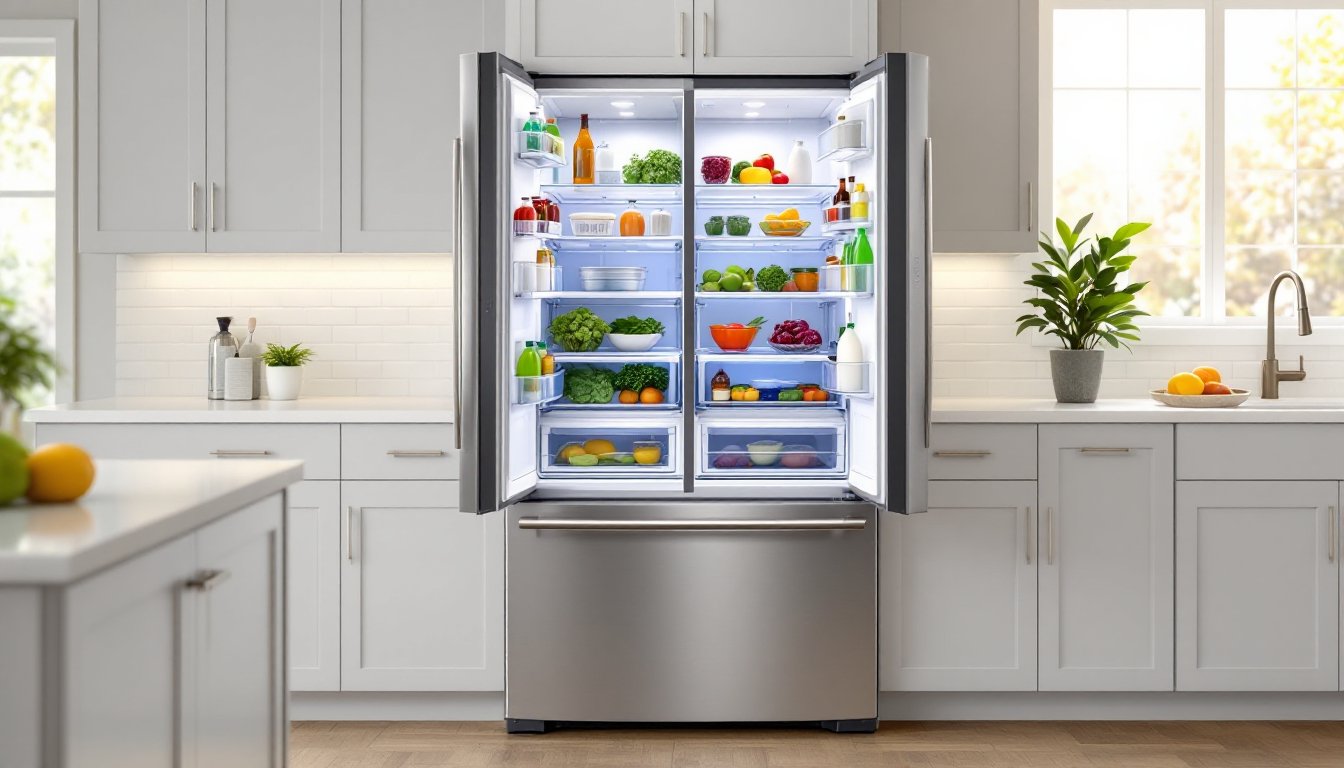
A French style refrigerator (also called a French door refrigerator) features two side-by-side doors for the fresh food compartment on top and one or more pull-out freezer drawers on the bottom. This configuration originated in Europe but gained widespread popularity in North American kitchens starting in the early 2000s.
The defining characteristic is the double-door upper section, which swings open from the center. This design requires less clearance space in front of the refrigerator compared to single full-width doors, an advantage in galley kitchens or spaces with islands directly opposite the appliance. Most units stand between 67 and 70 inches tall and range from 29.5 to 36 inches wide, though counter-depth models sacrifice some interior volume to sit flush with standard 24-inch-deep base cabinets.
The bottom freezer typically uses a pull-out drawer system, often with a top basket for frequently used items and a lower bin for bulk storage. Some premium models include a dual-drawer freezer setup, allowing users to set different temperature zones for items like ice cream (which stores best around -5°F to 0°F) versus frozen vegetables.
While the layout is the main feature, don’t confuse French door refrigerators with French country styling, that’s an aesthetic choice. The “French” designation here refers purely to the door configuration and has nothing to do with decorative paneling or vintage finishes.
Key Benefits of French Door Refrigerators
The popularity of French door refrigerators isn’t just about looks. These units solve real-world kitchen challenges that other configurations struggle with.
Better organization and visibility top the list. The wide, shallow shelves in the upper compartment make it easy to see what’s stored in back, reducing forgotten food and waste. Full-width shelves (typically 32 to 35 inches in standard-depth models) can accommodate large platters, sheet pans, or party trays without requiring creative Tetris moves.
Ergonomic access is another major advantage. Since the fresh food section sits at chest and eye level, users don’t need to squat or bend to grab milk, leftovers, or produce multiple times per day. The bottom freezer compartment is accessed less frequently, making the lower placement less of a burden.
Reduced cold air loss happens when only one door opens at a time. With side-by-side models, opening either door exposes the full height of that compartment. French door units keep half the fresh food section closed during quick grabs, which helps maintain consistent temperatures and reduces compressor cycling.
Many homeowners also appreciate the flexible interior layouts these models offer. Adjustable shelves, slide-out bins, humidity-controlled crisper drawers, and dedicated zones for deli meats or dairy products let users customize storage to match their shopping habits. Professional reviews from sources like Good Housekeeping’s appliance testing lab consistently highlight these organizational features as standout advantages.
Energy Efficiency and Storage Flexibility
French door refrigerators generally perform well on energy consumption compared to older models, though they’re not always the most efficient option on the market. Look for the ENERGY STAR label, which indicates the unit meets EPA guidelines for energy use, typically 10-15% better than federal minimum standards.
The compartmentalized design contributes to efficiency. Since users open smaller sections rather than exposing the entire interior, the compressor doesn’t work as hard to recover temperature after door openings. But, features like through-the-door ice makers, internal water dispensers, and LED lighting systems all draw power, so a bare-bones top-freezer model will still beat a feature-loaded French door unit on pure energy cost.
Storage flexibility shines in these models. Many include adjustable gallon door bins that slide up or down to accommodate tall bottles, flip-up shelves that create vertical space for pitchers or wine bottles, and removable dividers in the freezer drawer. Some higher-end units offer FlexZone or similar drawer compartments that can switch between refrigerator and freezer temperatures, useful for overflow party prep or extra produce storage.
One practical note: the bottom freezer drawer can be a limitation for anyone storing large bulk items. A standing turkey or oversized frozen pizza may not fit as easily as it would in an upright freezer compartment. Measure interior drawer dimensions, not just total capacity, if someone regularly buys large frozen items.
What to Look for When Buying a French Style Refrigerator
Choosing the right French door refrigerator involves more than picking the shiniest stainless steel finish. Start with the basics: dimensions, capacity, and door swing clearance.
Measure the space carefully. Standard models are typically 36 inches wide, while counter-depth versions trade interior volume for a flush, built-in look. A counter-depth unit might offer 20-22 cubic feet of total capacity versus 25-28 cubic feet in a standard-depth model of the same width. Confirm the refrigerator will fit through doorways during delivery, measure door frames, hallway widths, and any tight turns along the delivery path. Delivery crews can’t always remove door hinges or cabinet panels on the spot.
Check door swing clearance. Each door needs about 90 degrees of clearance to open fully, though some models include doors that can swing past 90 degrees for easier shelf and crisper removal. If an island sits directly opposite, measure the gap to ensure doors won’t collide with cabinetry or seating.
Interior configuration matters more than total cubic feet. Compare shelf adjustability, crisper drawer capacity (usually 2 to 4 full-width bins), and door bin layout. Families who buy a lot of condiments, salad dressings, or beverage bottles benefit from deeper, adjustable door storage. Those who store tall pitchers or wine bottles should look for flip-up shelves or removable shelf sections.
Kitchen design resources like Remodelista often showcase refrigerators integrated into cabinetry with panel-ready fronts, which is an option for achieving a seamless look, but adds significant cost and typically requires professional installation.
Capacity, Layout, and Features That Matter
Water and ice systems are convenient but come with trade-offs. Through-the-door dispensers take up interior space and can be prone to leaks or freezing issues. Internal water dispensers preserve door storage but require opening the door each time. Homeowners should decide if the convenience justifies the loss of shelf space and the increased maintenance (filter changes every 6 months, potential line clogs).
Temperature controls range from basic dial thermostats to digital displays with separate zones. Multi-zone cooling systems can maintain different temperatures in the fridge, crisper drawers, and freezer, which helps preserve delicate produce or prevent freezer burn. Models with dual evaporators reduce odor transfer between compartments and manage humidity better than single-evaporator designs.
Finish options include stainless steel, black stainless, slate, and panel-ready fronts. Standard stainless shows fingerprints: smudge-resistant or “PrintShield” finishes cost slightly more but save daily cleaning effort. Black stainless looks sharp but can be harder to match if someone replaces other appliances later.
Smart features like Wi-Fi connectivity, internal cameras, and app-based temperature monitoring appeal to tech-forward homeowners. These features let users check what’s inside without opening the door, receive maintenance alerts, or adjust settings remotely. They’re useful, but not essential, and they can add $200 to $500 to the purchase price.
Skip the gimmicks. Features like built-in Keurig systems or touchscreen recipe displays sound appealing but often go unused and add failure points. Focus on core functionality: consistent temperature control, reliable ice production, and a layout that matches how the household actually uses the refrigerator.
Installation Tips and Space Planning for Your Kitchen
Installing a French door refrigerator is generally a DIY-friendly task if someone has basic tools and a helper. These units weigh between 250 and 400 pounds, so a two-person lift is non-negotiable. Use an appliance dolly rated for the weight, and protect flooring with cardboard or moving blankets during transport.
Electrical requirements are straightforward: most residential models run on a standard 120V, 15-amp circuit. The outlet should be dedicated (not shared with other large appliances) and located on the wall behind the unit, not directly behind the back panel where the plug could be pinched. If the existing outlet is in the wrong spot, hire a licensed electrician to relocate it. Incorrect wiring or extension cords can trip breakers or, worse, create a fire hazard.
For units with water lines (ice makers or water dispensers), a 1/4-inch copper or braided stainless steel supply line connects to a nearby cold water shutoff valve. Most building codes require a shutoff valve within 6 feet of the appliance. If there isn’t one, install a self-piercing saddle valve on the nearest cold water pipe, or, better yet, have a plumber install a proper compression tee valve, which is more reliable long-term. Don’t skip this step: leaking water lines cause significant damage.
Leave ventilation clearance: typically 1 inch on each side and 2 inches at the back for heat dissipation. The condenser coils (located on the back or bottom of the unit) need airflow to work efficiently. Jamming the refrigerator into a tight alcove or flush against the wall can cause the compressor to overheat and shorten the appliance’s lifespan.
Leveling the unit is critical. Use a torpedo level and adjust the front leveling legs until the refrigerator tilts back slightly, about 1/4 inch over the depth of the unit. This backward tilt helps doors close automatically and ensures proper drainage from the defrost cycle. If doors don’t self-close or water pools inside, recheck the level.
Counter-depth installations often involve removing base cabinet toe kicks or adjusting surrounding cabinetry. In some cases, homeowners need to trim cabinet doors or modify filler strips for proper door clearance. Kitchen planning advice on sites like The Kitchn frequently covers these fit and finish details for integrated appliance looks.
Permits typically aren’t required for appliance replacement, but if the installation involves adding new electrical circuits or rerouting plumbing, check local code requirements. In many jurisdictions, electrical and plumbing work must be performed or inspected by licensed professionals.
Maintaining Your French Door Refrigerator for Long-Term Performance
Proper maintenance keeps a French door refrigerator running efficiently for 10 to 15 years or more. The good news: most tasks take under 10 minutes and don’t require special tools.
Clean condenser coils every six months. Dust and pet hair accumulate on coils (located on the back or underneath the unit), forcing the compressor to work harder. Unplug the refrigerator, remove the front grille if necessary, and vacuum coils using a coil brush attachment or a narrow vacuum nozzle. This simple step can improve efficiency by 5-10% and extend compressor life.
Replace water filters on schedule. Most filters last six months or 200-300 gallons, whichever comes first. Clogged filters reduce water flow, affect ice quality, and can harbor bacteria. Mark the installation date on the filter housing or set a phone reminder. Replacement filters cost $30 to $60 depending on brand: generic filters work fine if they’re NSF-certified for the same contaminants as OEM filters.
Check door seals (gaskets) for gaps or cracks. A torn or loose gasket lets cold air escape, causing the compressor to run constantly. Close a dollar bill in the door: if it pulls out easily, the seal isn’t tight. Clean gaskets with warm soapy water every few months to remove food residue and prevent mildew. Replace damaged gaskets promptly, they cost $50 to $150 and can be installed without professional help on most models.
Defrost and clean the interior quarterly. Even frost-free models benefit from occasional deep cleaning. Remove shelves, bins, and drawers: wash them in warm soapy water. Wipe interior walls with a solution of 1 tablespoon baking soda per quart of warm water, avoid harsh cleaners that can damage plastic liners or leave chemical odors.
Monitor temperature settings. The fresh food compartment should stay at 37°F to 40°F: the freezer at 0°F or below. Use an appliance thermometer to verify accuracy, since built-in displays can drift over time. Adjust settings seasonally if the kitchen gets significantly hotter in summer.
Keep vents clear. Don’t block interior air vents with oversized items or foil-wrapped dishes. Blocked vents create cold spots, frost buildup, and uneven cooling. Similarly, avoid overloading door bins, which can stress hinges and cause doors to sag over time.
Address issues promptly. Strange noises, inconsistent temperatures, or ice maker jams usually indicate minor problems that become expensive repairs if ignored. Most manufacturers provide troubleshooting guides: many issues (like resetting the ice maker or clearing a drain tube) can be fixed without a service call.
Warranties vary widely. Standard coverage is one year parts and labor, with longer coverage on sealed refrigeration systems (5 to 10 years is common). Extended warranties are usually a poor value unless someone’s buying a high-end model with expensive electronic controls. Instead, set aside $50 to $100 annually in a repair fund, it’ll cover most service calls and minor part replacements.