Table of Contents
ToggleFinding the right care environment for an aging parent or relative isn’t about browsing Pinterest boards or scrolling through glossy brochures. It’s about understanding real options, doing the legwork to tour facilities, and asking tough questions before anyone signs a lease. Small assisted living homes, sometimes called residential care homes or adult family homes, offer a middle ground between institutional nursing facilities and the overwhelming demands of in-home care. This guide walks through what these homes actually are, how to find them locally, what to inspect during tours, and how to prepare a home for the transition when the time comes.
Key Takeaways
- Small assisted living homes house 4–10 residents in residential settings and offer personalized care with lower staff-to-resident ratios than large facilities, making them ideal for seniors needing assistance but not intensive medical intervention.
- When searching for small assisted living homes near you, consult your state’s Department of Health database, contact your Area Agency on Aging, and plan to tour at least 3–5 facilities unannounced to observe daily routines and staff interactions.
- Critical inspection points include checking fire safety equipment, bathroom grab bars, meal quality, recent state inspection reports, staffing coverage (day and night), and clear move-out policies before committing to a home.
- Pricing typically ranges from $3,000–$7,000 monthly with variations based on location and services; clarify the fee structure in writing, understand what triggers additional charges, and explore payment options like Medicaid waivers, long-term care insurance, or Veterans benefits.
- Before moving a family member to assisted living, begin preparation 2+ months ahead by sorting belongings into three categories, measuring the room (typically 120–200 sq ft), and completing home repairs if selling the property.
- Use moving checklists organized by week to manage utilities, address changes, and medical records transfers while ensuring proper packing technique and labeling boxes by room and priority for a smoother transition.
What Are Small Assisted Living Homes?
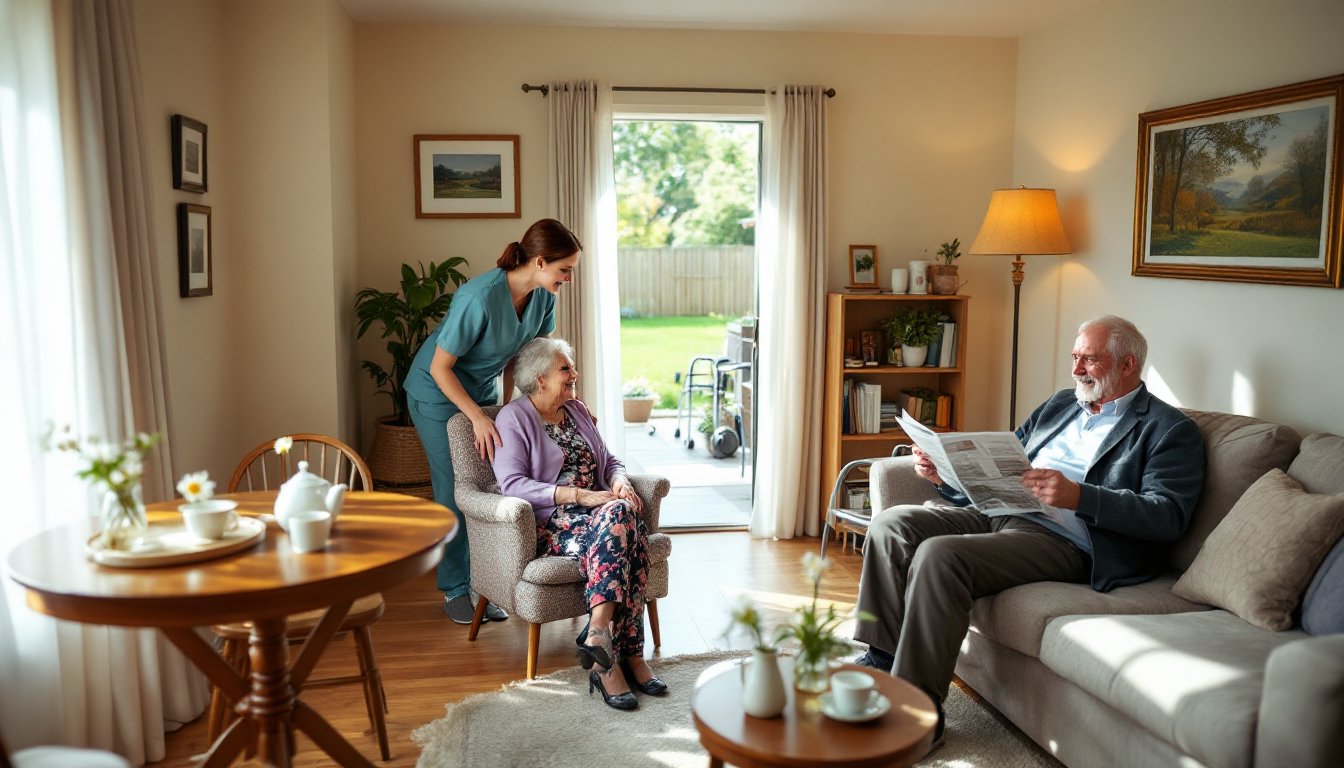
Small assisted living homes typically house four to ten residents in a residential-style setting, often a converted single-family home or purpose-built small facility. Unlike large assisted living complexes with 50+ units, these homes operate with a small staff-to-resident ratio and focus on personalized care.
They’re licensed by state health departments under various names, adult family homes in Washington, residential care facilities for the elderly (RCFE) in California, community residential homes in Wisconsin. Licensing requirements vary by state but generally mandate background checks for caregivers, minimum square footage per resident, fire safety upgrades (like monitored smoke alarms and sprinkler systems in some jurisdictions), and regular health inspections.
Residents typically receive help with activities of daily living (ADLs), bathing, dressing, medication management, meal preparation, but not skilled nursing care like wound care or IV administration. If someone needs round-the-clock medical supervision, a skilled nursing facility is the appropriate setting. Small homes work best for seniors who need assistance but don’t require intensive medical intervention.
Most small assisted living homes operate as private-pay businesses, though some accept Medicaid waivers depending on the state. The operator may be a registered nurse, a licensed caregiver, or a family running a state-approved facility out of their home.
Key Benefits of Choosing a Small Assisted Living Home
The main advantage is personalized attention. With fewer residents, staff learn individual routines, dietary preferences, and behavioral cues. A resident who wanders at night gets noticed immediately. Meals can accommodate specific diets without institutional kitchen constraints.
Lower staff turnover is common in small homes compared to large facilities. Caregivers often live on-site or work consistent shifts, creating continuity. Families report fewer medication errors and faster response times during health changes.
The environment feels less institutional. Residents eat at a regular dining table, not a cafeteria. Common areas resemble living rooms, not hospital lobbies. Some homes allow small pets or have fenced yards where residents can sit outside without navigating a large campus.
Small homes also offer flexibility in care plans. If a resident’s needs increase, say, they develop incontinence or early-stage dementia, the home may adapt services without requiring a move. Large facilities often transfer residents to memory care wings or discharge them entirely when needs exceed the standard service tier.
Cost can be another factor. While not universally cheaper, small homes sometimes charge $3,000–$6,000 per month compared to $4,500–$8,000 at larger facilities, depending on location and services. But, pricing varies widely, and some boutique small homes cost more than institutional options.
How to Find Small Assisted Living Homes in Your Area
Start with your state’s Department of Health or Department of Social Services website. Most states maintain searchable databases of licensed residential care homes, including inspection reports, violation history, and capacity. Look for terms like “adult family home,” “residential care,” or “board and care home” depending on your state’s terminology.
Local Area Agencies on Aging (AAA) provide free referrals and can filter options by location, services, and payment types. They often know which homes have immediate openings and which have long waitlists.
Online directories like Angi list home care providers and residential facilities with user reviews, though always verify licensing independently. Word-of-mouth from local senior centers, hospital discharge planners, or geriatric care managers can surface smaller homes that don’t advertise widely.
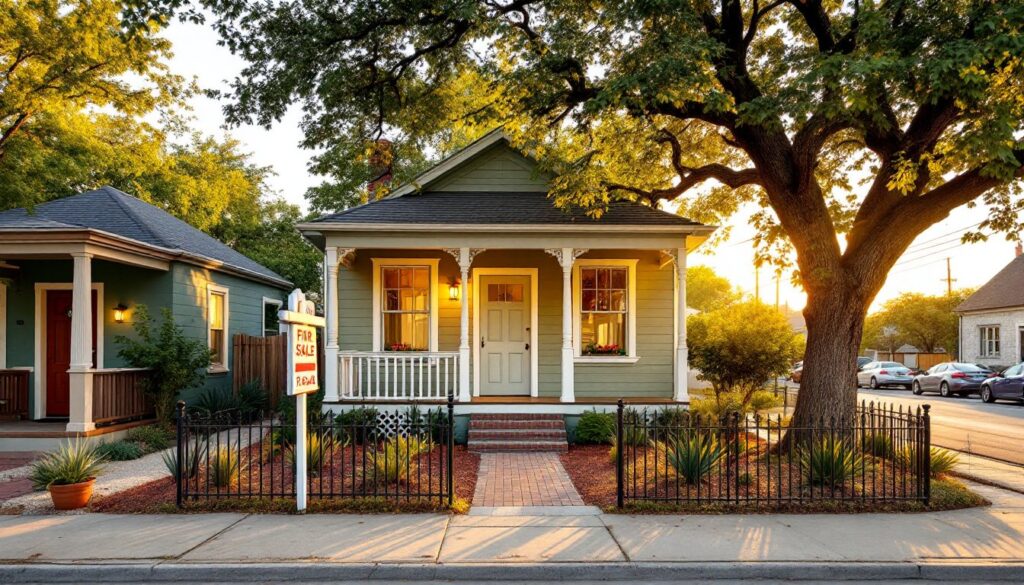
Drive through residential neighborhoods near your target area. Small assisted living homes don’t always have prominent signage, but look for accessible ramps, handrails, and van parking, signs of an adapted home. Once you spot one, check the address against your state’s licensing database.
Facebook groups and Nextdoor posts in local communities sometimes feature recommendations from families who’ve placed relatives in nearby homes. Take these with a grain of salt, touring in person is non-negotiable.
Plan to visit at least three to five homes before making a decision. Availability fluctuates, and some homes may not be a good fit culturally or in terms of care philosophy.
What to Look for When Touring Small Assisted Living Facilities
Arrive unannounced if possible, or at least visit during a mealtime or afternoon activity. Staged tours don’t reveal daily routines. Observe how staff interact with residents, are they patient, making eye contact, or rushing through tasks?
Check the physical condition of the home. Look for:
• Working smoke detectors and fire extinguishers (ask when they were last inspected)
• Grab bars in bathrooms and non-slip flooring
• Clean, odor-free common areas and bedrooms (a faint urine smell indicates incontinence management issues)
• Accessible exits and clear pathways (no clutter blocking doorways)
• Adequate lighting in hallways and stairwells
Ask to see a sample meal. Institutional food isn’t the standard here, but if the lunch looks like reheated freezer meals every day, that’s a red flag. Inquire about accommodations for dietary restrictions or texture-modified diets for residents with swallowing difficulties.
Request the home’s most recent state inspection report. Violations for medication errors, understaffing, or safety hazards should be deal-breakers. Minor infractions (a missing label on a cleaning product) are less concerning if corrected promptly.
Discuss the staffing plan. How many caregivers are on-site during the day? At night? What’s the protocol if a resident has a medical emergency? Homes should have a clear plan for calling 911, notifying family, and managing the situation until help arrives.
Find out how the home handles small space living challenges, like whether residents can bring their own furniture, how private or semi-private rooms are arranged, and storage options for personal belongings.
Ask about move-out policies. Under what conditions would the home require a resident to leave? Some homes discharge residents who become too physically or cognitively impaired. Clarify that upfront.
Cost Considerations and Payment Options
Pricing for small assisted living homes generally ranges from $3,000 to $7,000 per month, though high-cost metro areas can exceed $8,000. Base rates typically cover room, board, and assistance with ADLs. Extra charges apply for incontinence care, medication administration, memory care support, or specialized diets.
Get the fee structure in writing. Some homes charge flat monthly rates: others use tiered pricing where residents pay more as care needs increase. Clarify what’s included and what triggers additional fees.
Payment options include:
• Private pay: Out-of-pocket via savings, retirement funds, or family contributions
• Long-term care insurance: Review the policy to confirm it covers residential care (not just nursing homes)
• Medicaid waivers: Some states offer Home and Community-Based Services (HCBS) waivers that pay for residential care. Eligibility requires meeting income/asset limits and a needs assessment.
• Veterans benefits: Aid and Attendance pension may cover part of the cost for qualifying veterans or surviving spouses
Medicare does not cover room and board at assisted living facilities, though it may cover skilled nursing visits or therapy services provided in the home.
Budget for potential rate increases. Many homes raise rates annually, typically 3–5%, to keep pace with labor and operating costs. Ask about the notice period for rate changes, 60 to 90 days is standard.
Factor in one-time costs like a community fee (sometimes called an entrance or admin fee), which can range from $500 to $2,000. Some homes also require a security deposit equal to one month’s rent.
Making Your Home Ready for the Transition
Before a family member moves to assisted living, their current home often needs attention, whether it’s a temporary vacancy or a permanent sale. If the house will sit empty, winterize plumbing, set timers on lights, and arrange for lawn care or snow removal to avoid code violations or HOA fines.
For families selling the home, start with a realistic assessment. Seniors often accumulate decades of belongings, and sorting through everything takes time. Begin at least two months before the move. Create three piles: items moving to assisted living, items for family, and items to donate or discard.
Small assisted living rooms typically range from 120 to 200 square feet for private rooms, so furniture must be minimal. A twin or full bed, one dresser, a nightstand, and maybe a small armchair are often the limit. Measure the room before moving day, don’t assume a queen bed will fit.
Handle home repairs before listing the property. Buyers flag deferred maintenance, and it affects sale price. Patch drywall holes, replace cracked tiles, and repaint scuffed walls. If the home has outdated systems, old HVAC, a 20-year-old water heater, get inspections to avoid surprises during buyer due diligence.
Using moving checklists helps families stay organized during what’s often an emotional process. List tasks by week: utilities transfer, address changes, medical records forwarding, and moving company bookings.
Safety tip: If family members are doing the packing and moving themselves, use proper lifting technique (bend at the knees, not the waist) and get help for heavy furniture. Rent a furniture dolly and moving straps, most big-box hardware stores carry them. Trying to wrestle a dresser down stairs without the right gear leads to injuries and property damage.
Label boxes by room and priority. The first box into the assisted living room should contain immediate needs: medications, glasses, phone chargers, a change of clothes. Everything else can be unpacked over the following days.
Conclusion
Choosing a small assisted living home requires diligence, but the payoff is a care environment tailored to individual needs. Tour multiple facilities, review inspection reports, and ask detailed questions about staffing, costs, and discharge policies. Once a home is selected, prepare the family residence with the same care you’d bring to any major project, measure twice, plan ahead, and don’t skip the prep work.