Table of Contents
ToggleCleveland’s housing market is giving homeowners good reason to invest in their properties rather than sell. With older housing stock throughout neighborhoods like Tremont, Ohio City, and Lakewood, strategic remodeling can boost equity, improve energy efficiency, and modernize spaces built decades ago. Whether tackling a single-room refresh or a whole-home overhaul, understanding local costs, permit requirements, and which projects deliver the best return makes the difference between a successful renovation and an expensive mistake. This guide walks Cleveland homeowners through the most popular remodeling projects, realistic budgeting, and the permitting landscape specific to Cuyahoga County and surrounding municipalities.
Key Takeaways
- Home remodeling in Cleveland can recoup 60-80% of costs at resale, making it a smart alternative to selling in today’s competitive market with high mortgage rates.
- Kitchen renovations in Cleveland range from $25,000-$45,000 mid-range to $75,000-$100,000+ for high-end projects with custom finishes and structural modifications.
- Bathroom remodels and basement finishing are popular home remodeling projects that deliver strong returns, with bathroom updates costing $12,000-$22,000 and basement finishing between $20,000-$50,000.
- Always add 15-20% contingency to your budget for older Cleveland homes where hidden issues like rotted subfloors, outdated wiring, or asbestos tile often emerge once walls open.
- Permits are required for structural changes, electrical upgrades, plumbing work, and HVAC installations, but homeowners can pull permits for their primary residence in most Cleveland-area municipalities.
- Energy efficiency upgrades like insulation, new furnaces, and multi-pane windows can reduce winter heating costs by 20-40% in Cleveland’s Northeast Ohio climate.
Why Cleveland Homeowners Are Investing in Remodeling Projects
Cleveland’s median home age hovers around 70-80 years in many established neighborhoods. That means outdated electrical panels, aging plumbing, and single-pane windows that hemorrhage heat during Northeast Ohio winters.
Remodeling addresses deferred maintenance while adding modern amenities. Energy costs hit hard here, winter heating bills can top $200-$300 monthly in poorly insulated homes. Upgrading insulation, replacing furnaces, and installing double-pane or triple-pane windows can cut those costs by 20-40%, depending on the scope.
Property values in Cleveland metro suburbs like Rocky River, Westlake, and Shaker Heights have appreciated steadily since 2020. Homeowners who would’ve moved five years ago are now choosing to remodel instead, avoiding competitive bidding wars and high mortgage rates. A well-executed kitchen or bathroom remodel typically recoups 60-80% of its cost at resale in this market, according to remodeling cost data tracking regional returns.
Another factor: Cleveland’s historic housing stock. Renovating a 1920s colonial or a midcentury ranch requires different strategies than new construction. Homeowners often discover knob-and-tube wiring, plaster walls, or dimensional lumber that doesn’t match modern nominal sizes. These quirks make DIY trickier but also create character that buyers value when done right.
Most Popular Home Remodeling Projects in Cleveland
Kitchen Renovations
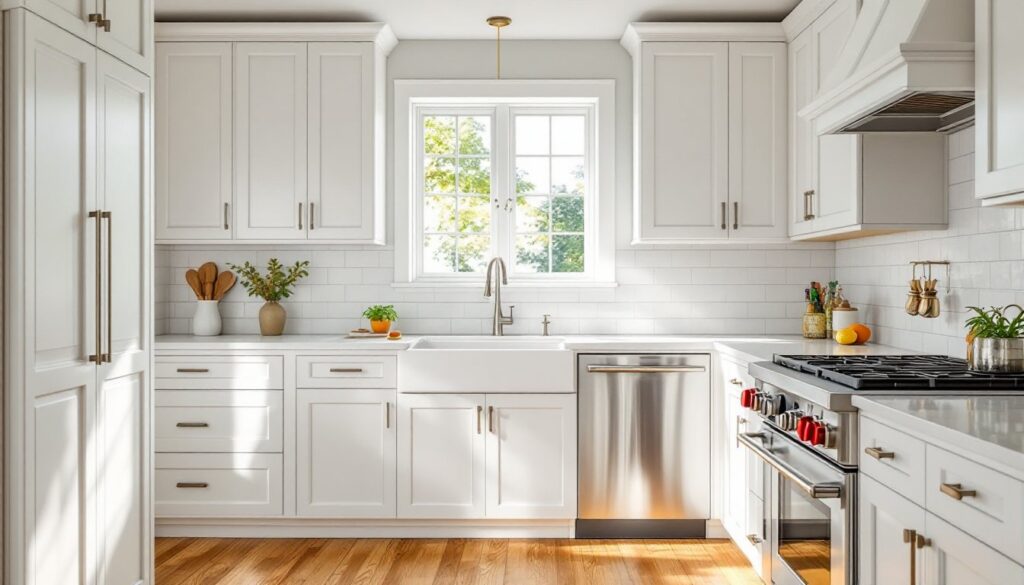
Kitchen remodels top the list for Cleveland homeowners, and for good reason. Older homes often feature cramped galley layouts, laminate countertops from the 1980s, and appliances that predate energy efficiency standards.
A mid-range kitchen renovation in Cleveland runs $25,000-$45,000 for a 200-square-foot space. That typically includes quartz or granite countertops ($50-$90 per square foot installed), semi-custom cabinets, and Energy Star appliances. High-end projects with custom cabinetry, pro-grade ranges, and structural changes (removing walls, relocating plumbing) can push $75,000-$100,000+.
Key considerations for Cleveland kitchens:
- Load-bearing walls: Many older homes have structural supports running through kitchens. Removing a wall requires a steel beam or engineered lumber header sized by a structural engineer. Expect permits and inspections.
- Plumbing relocation: Cast iron drain stacks are common in pre-1960s homes. Moving a sink or adding an island with plumbing means cutting into those stacks, hire a licensed plumber familiar with Cleveland’s 2020 Ohio Building Code requirements.
- Electrical upgrades: Modern kitchens need dedicated 20-amp circuits for appliances. If the home still has a 100-amp service panel, upgrading to 200-amp service ($1,500-$3,000) may be necessary before adding circuits.
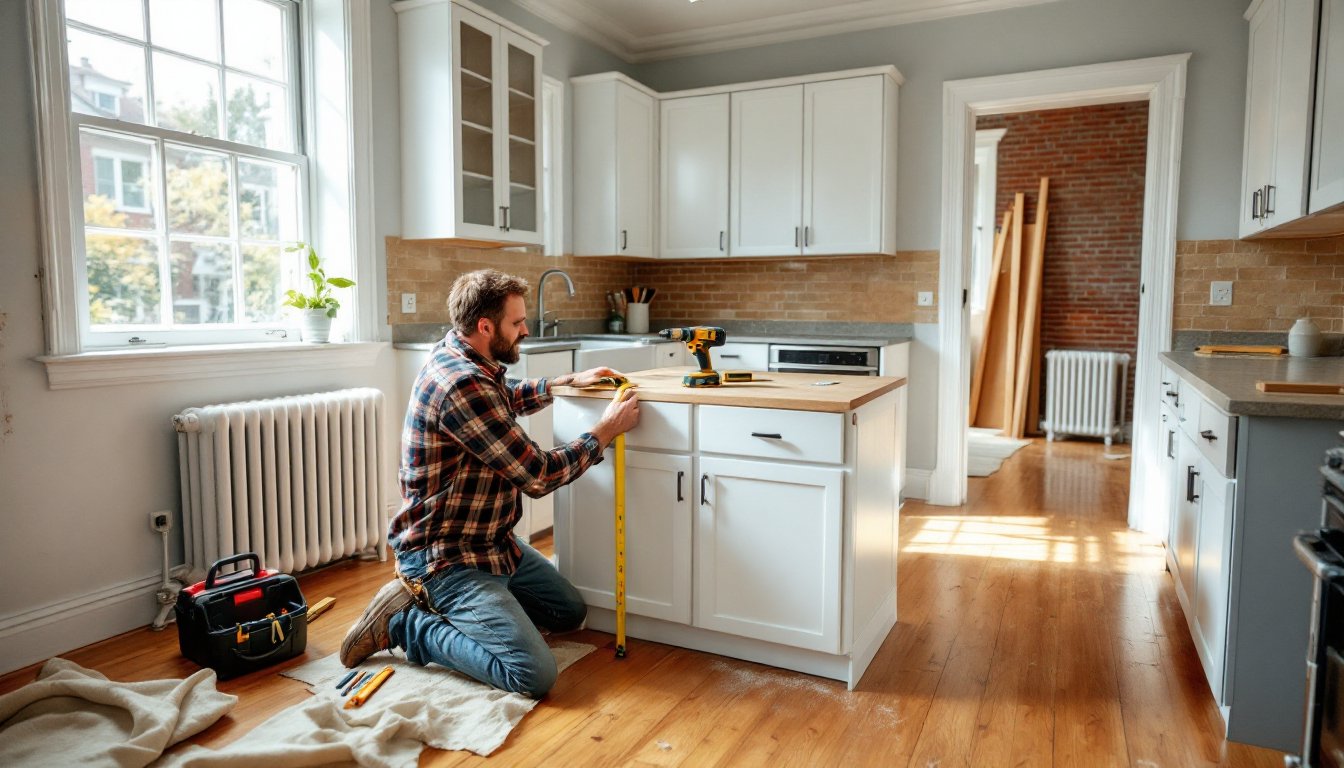
DIYers can handle cabinet painting, backsplash tile (subway tile runs $8-$15 per square foot in materials), and fixture swaps. Leave gas line work, electrical panel upgrades, and structural modifications to licensed pros.
Bathroom Updates
Bathroom remodels deliver strong returns in Cleveland’s market, especially when updating the primary bath or adding a second full bath.
A standard 5×8-foot bathroom renovation costs $12,000-$22,000 in Cleveland. That includes:
- Tub or shower replacement: Acrylic tub/shower combos start around $800-$1,500. Tile showers with built-in niches and frameless glass doors run $3,500-$7,000 installed.
- Vanity and sink: Stock vanities (24-36 inches wide) cost $300-$800: custom or semi-custom units range $1,200-$3,000.
- Toilet: Dual-flush or WaterSense models run $200-$500 for mid-range options.
- Flooring: Porcelain or ceramic tile ($4-$12 per square foot) works best in Cleveland’s humid summers and dry, heated winters. Luxury vinyl plank (LVP) is a budget-friendly alternative at $3-$6 per square foot.
Bathroom-specific challenges in Cleveland homes:
- Ventilation: The IRC requires exhaust fans in bathrooms without operable windows. Aim for a fan rated at least 50 CFM for a standard bath. Undersized or missing ventilation leads to mold, a common issue in older Cleveland homes.
- Waterproofing: Use a waterproof membrane (RedGard, Kerdi) behind all tile in wet areas. Many DIY tile jobs fail because they skip this step.
- Plumbing access: Older homes may have galvanized steel supply lines prone to corrosion. Budget for PEX repiping ($1,500-$3,000 for a single bathroom) if you’re opening walls anyway.
DIY-friendly tasks include painting, vanity installation (if plumbing stays put), and tile work if you’ve got patience and a wet saw. Hire pros for shower pan installation, complex tile layouts, and any work involving drain relocation.
Basement Finishing
Cleveland’s full basements are a major asset, and finishing them adds livable square footage without expanding the footprint. Finished basements serve as home offices, guest suites, gyms, or rec rooms.
Finishing a 1,000-square-foot basement costs $20,000-$50,000 depending on finishes and whether you’re adding a bathroom or kitchenette. Breakdown:
- Framing and drywall: $3-$7 per square foot for 2×4 stud walls and ½-inch drywall.
- Flooring: Engineered hardwood, LVP, or carpet over a subfloor system (DRIcore, Barricade) that handles moisture. Cost: $5-$12 per square foot installed.
- Electrical and lighting: Expect $2,000-$5,000 for wiring, outlets, and recessed LED fixtures on dimmer switches.
- Bathroom addition: Adding a ¾ bath (shower, toilet, vanity) runs $8,000-$15,000. You’ll need an ejector pump ($800-$1,500 installed) if drain lines sit above the main sewer line.
Cleveland basement concerns:
- Moisture control: Foundation walls in older homes often lack exterior waterproofing. Install a sump pump ($500-$1,500) if you don’t have one, and run a dehumidifier year-round. Relative humidity should stay below 50%.
- Headroom: The IRC requires minimum 7-foot ceilings in habitable spaces. Many Cleveland basements have 6’8″ to 7’2″ clearance. If joists and ductwork eat into that, you may need to reroute HVAC or accept limited use.
- Egress: Bedrooms require an egress window (minimum 5.7 square feet of openable area, sill height ≤44 inches). Cutting a new egress window well costs $3,000-$5,000.
DIYers comfortable with framing, drywall, and basic electrical can tackle much of a basement finish. Hire out ejector pump installation, HVAC extensions, and egress window cutting (concrete cutting requires specialized tools).
Budgeting for Your Cleveland Home Remodel
Realistic budgeting starts with understanding Cleveland-specific costs and avoiding sticker shock when lumber, labor, or permits run higher than national averages.
Material costs in Northeast Ohio:
- Lumber: A 2x4x8 stud (actual dimensions 1.5″ x 3.5″ x 96″) costs $4-$6 depending on grade and season. Treated lumber for exterior work runs 20-30% more.
- Drywall: ½-inch sheets (4×8 feet) run $12-$18 each. Joint compound, tape, and screws add roughly $0.50 per square foot.
- Paint: Quality interior latex (Sherwin-Williams Duration, Benjamin Moore Regal Select) covers 350-400 square feet per gallon and costs $45-$70 per gallon.
Labor rates:
General contractors in Cleveland charge $50-$90 per hour, or 15-20% of total project cost as a management fee. Specialized trades cost more:
- Electricians: $75-$125 per hour
- Plumbers: $80-$140 per hour
- HVAC techs: $90-$150 per hour
These rates reflect 2026 market conditions. Availability matters, book tradespeople 4-8 weeks ahead for spring and summer projects.
Contingency budgets:
Always add 15-20% contingency for older homes. Hidden issues crop up once walls open: rotted subfloors, outdated wiring, asbestos tile (common in pre-1980 homes and requiring professional abatement at $3-$7 per square foot).
Many contractor hiring platforms now offer project cost calculators that factor in regional labor and material variations, which helps avoid underfunding a remodel.
Financing options:
- Home equity loans or HELOCs: Rates in 2026 average 7-9% APR. Best for projects over $20,000.
- Cash-out refinancing: Makes sense if current mortgage rates drop below your existing rate.
- Personal loans: Faster approval but higher rates (9-14% APR). Viable for smaller projects under $15,000.
- Credit cards: Only for small cosmetic work you can pay off in 6-12 months. Interest adds up fast otherwise.
Get at least three quotes for contractor work. The lowest bid isn’t always best, check references, verify licensing (Ohio doesn’t require a general contractor license, but electricians and plumbers must be licensed), and confirm insurance coverage.
Navigating Cleveland Permits and Regulations
Permit requirements vary by municipality in Greater Cleveland. The City of Cleveland, Lakewood, Cleveland Heights, and surrounding suburbs each run their own building departments with different fee structures and inspection schedules.
When you need a permit in most Cleveland-area jurisdictions:
- Structural changes: Removing walls, adding beams, cutting into floor joists.
- Electrical work: Adding circuits, upgrading panels, installing ceiling fans or hardwired fixtures. Exception: Replacing a light fixture on an existing box usually doesn’t require a permit.
- Plumbing: Moving fixtures, adding bathrooms, repiping, water heater replacement.
- HVAC: Installing new furnaces, A/C units, or ductwork.
- Egress windows: Cutting new openings in foundation walls.
- Decks and additions: Anything that changes the building footprint or adds significant load.
What typically doesn’t need a permit:
- Painting, flooring (non-structural), cabinet replacement, countertop swaps.
- Minor repairs (patching drywall, replacing a faucet on existing supply lines).
- Landscaping, fencing under 6 feet (check local fence ordinances).
Permit costs in Cleveland:
- City of Cleveland building permits: $50-$150 for minor work: major remodels can run $500-$1,500+ depending on valuation.
- Electrical permits: $35-$100.
- Plumbing permits: $40-$120.
Suburban municipalities have similar fee structures, sometimes lower. Check your local building department’s website or call ahead.
Inspection process:
Typical inspections include:
- Rough-in inspection: After framing, electrical, and plumbing rough-in but before closing up walls.
- Insulation inspection: Before drywall.
- Final inspection: After all finish work.
Inspectors verify work meets the 2020 Ohio Building Code (based on the 2018 IRC) and the 2020 National Electrical Code. Common red flags: undersized wire gauges, improper GFCI placement (required within 6 feet of sinks), missing fire blocking in wall cavities, and incorrect joist spans.
Working without permits:
Skipping permits is tempting but risky. If you sell, title companies or buyers’ inspectors may flag unpermitted work, forcing costly retroactive permitting or re-work. Homeowners insurance may deny claims for damage related to unpermitted modifications. And if an inspector notices unpermitted work (neighbor complaint, unrelated permit visit), you’ll face stop-work orders and fines.
DIY permit pulls:
Homeowners can pull permits for work on their primary residence in most Cleveland-area municipalities. You’ll need:
- Site plan or floor plan: Showing existing and proposed layouts.
- Electrical/plumbing diagrams: For relevant trades.
- Product specs: For major equipment (furnace model numbers, beam specifications).
Some jurisdictions require a licensed electrician or plumber to pull permits for their trades, even if the homeowner does the work. Verify local rules before starting.
For complex projects, additions, major structural changes, multi-trade remodels, hiring a general contractor who handles permitting, scheduling inspections, and coordinating subs is often worth the 15-20% management fee. They know local inspectors, code quirks, and how to avoid delays that eat into your timeline and budget.